Author name: kheloexchofficial@gmail.com

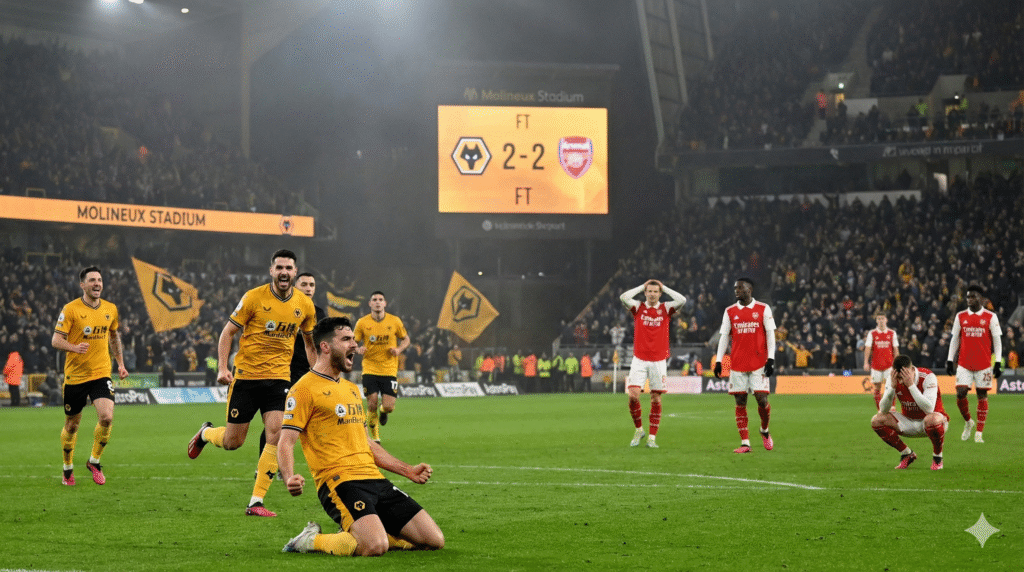
Wolverhampton Wanderers players celebrate their late 2-2 draw against Arsenal at Molineux Stadium, as dejected Arsenal players look on. The scoreboard confirms the final Premier League result.
Football, Trending

Arsenal Blow 2-0 Lead in Dramatic 2-2 Draw at Wolves

Football shows that championship teams maintain their natural human characteristics. The match becomes unrecoverable until unexpected events create sudden changes to the game. Arsenal faced Wolverhampton Wanderers in an English Premier League match which ended with a 2-2 score at their home stadium on Wednesday night during cold weather conditions. The Molineux match between Mikel Arteta’s squad and the division’s lowest ranking team became an expected victory for his team. The first hour of the event progressed according to the initial schedule. The visiting audience reacted with total disbelief at the incredible comeback which Rob Edwards’ team achieved during their match.    How the Match Unfolded  The fixture needs this important basic overview because it explains all ongoing match activities. The match score between Arsenal and Wolves ended in a draw because both teams scored two goals each. The Gunners built a 2-0 advantage through goals from Bukayo Saka and Piero Hincapie but lost their victory when they allowed two goals during the final moments. The hosts received a point after Hugo Bueno scored a beautiful curling goal and Tom Edozie who was making his first appearance scored an equalizing goal in the 94th minute. The match began with the visiting team showing all the traits of a team that would win the championship. Arteta made an intriguing tactical tweak by deploying Saka centrally in a number 10 role. The team experienced benefits from the modification. Complete Dominance Through First Half Declan Rice discovered an open area on the left side after five minutes of the match had passed. He delivered an exquisite inswinging cross which reached the penalty area. Saka correctly anticipated the ball’s flight path because he completed his run at the precise moment to head the ball through the legs of Wolves goalkeeper Jose Sa. The England player scored his goal after remaining scoreless for a short time which made the home fans quiet. Second Half: The Momentum Shift The Gunners came out after the halftime break looking to kill the game off entirely. They thought their efforts had succeeded when the 56th minute arrived. Gabriel Magalhaes delivered an excellent pass that pierced through the Wolves defensive lines to reach Piero Hincapie. The left-back blocked the defender and drove a strong shot that reached the top of the goal. The goal received official recognition after a tense VAR check examined a potential offside situation. Hincapie scored his first goal for the club which caused the away fans to start celebrating. The stadium audience believed the match had finished after the score reached 2-0. The Unlikely Wolves Comeback The Premier League table shows that Wolves occupy the last position in the standings. Before this match, they had a measly nine points and were staring down the barrel of a historically poor season. But instead of folding under the pressure they came out swinging. The match experienced its major turning points at these specific moments which altered the entire match outcome. The 61st minute shows Hugo Bueno executing his wonder strike when he received the ball from the right penalty area boundary. He shifted the ball to his left foot and executed a curling shot that reached the top corner of the goal. The goalkeeper David Raya had absolutely no chance to defend the shot. The Psychological Shift: The away team established a defensive position immediately after Bueno scored his goal. The team focused on stopping time while they held their advantage instead of attempting to score their third goal which would guarantee victory. The 94th minute of the match features Edozie’s dream debut performance. A cross delivered late in the stopping time created complete disorder inside the penalty box. The goalkeeper Raya crashed into his defender while he released the ball to 19-year-old substitute player Tom Edozie. He shot the ball which struck the post before it hit Riccardo Calafiori and rolled into the goal. The stadium absolutely exploded. Edozie made his senior debut for the first time and he scored a goal which could determine the outcome of the Premier League season. Tactical Insights: Why Did the Gunners Collapse? Top-level competition results from matches force teams to lose their lead when they encounter particular tactical setbacks which the match analysis will identify. Arsenal abandoned their authentic playing style to compete in this match. The team used a deep low defensive block instead of executing their strategy which required them to maintain possession of the ball and restrict their opponent’s opportunities. The Wolves team used their attacking power to create more offensive plays because they had no fear of facing quick counterattacks. The midfield lost its composure because the team needed a calming player to control the ball during high-pressure situations. Rob Edwards who serves as the Wolves manager received full recognition for his effective player substitutions. He brought in players with high speed to play during the last minutes of the match while he told his wingbacks to skip all midfielding duties. Their strategy of delivering direct crosses into the box forced defenders to make urgent tactical choices while they played in hazardous, icy conditions. The last equaliser occurred because the defenders failed to communicate effectively while facing continuous offensive pressure. A Night of Nerves at Molineux The Molineux press box allowed visitors to experience stadium atmosphere changes which affected indoor stadium areas. The stadium erupted into complete silence when Hincapie scored his second goal to make the score 2-0 except for travelling fans who celebrated their victory in one stadium section. The home audience gained energy when sleet began to fall and temperatures reached freezing temperatures. The spectacular goal by Bueno created the moment which ignited the match. The crowd reacted to every Wolves tackle as though they had just scored a match-winning goal.The players who led the league began to show signs of anxiety during the match. The team lost passing accuracy during the second half because they could not complete basic passes which had worked well during the first half. The stadium erupted
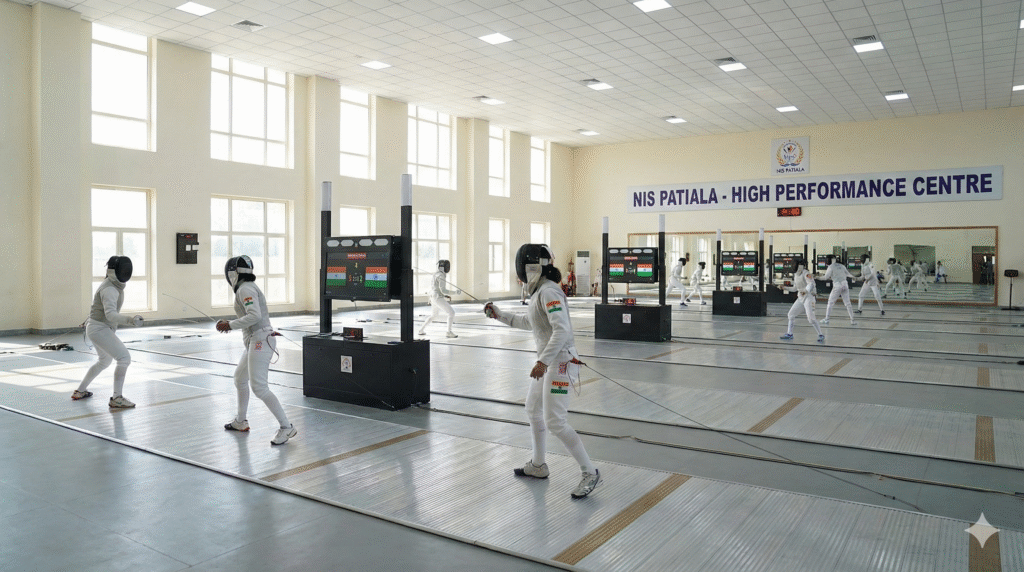
Indian fencers training on international-standard pistes at the new High-Performance Centre, NIS, Patiala.
others, Trending

Indian Fencers Get World-Class Facility at NIS, Patiala

Fencing serves as the most visible demonstration of India’s expanding sports development throughout the country. Indian fencers received their biggest boost for Olympic and Asian Games success when the High-Performance Centre (HPC) opened its doors at the Netaji Subhas National Institute of Sports (NIS) Patiala. The dedicated facility which was built at a cost of Rs 22.83 crore represents a complete change from the previous training methods which used temporary facilities.   Athletes had to deal with insufficient infrastructure throughout multiple years. The new centre will help establish a connection between local facilities and worldwide athletic benchmarks. The fencing community experiences increased motivation because they now possess top-level training tools which they can find in one location. A New Dawn for Indian Fencers at NIS, Patiala The new HPC is not just a building; it serves as a complete system that supports its mission to achieve excellence. The Sports Authority of India (SAI) has built a facility that competes with the world s top athletic facilities which includes European sports centers. The center contains a multipurpose indoor fencing hall which has international-standard playing areas and modern electronic scoring systems. Fencers needed to compete in international competitions because there was no other way to access competition-simulated environments. The senior sabre team at the training center now has a 24-member squad that practices for high-pressure matches every day. Their preparation for major events such as the upcoming Asian Games in Aichi-Nagoya Japan will become much stronger according to their findings. Head Coach Sagar Lagu explained that other SAI centers offer multipurpose halls which other facilities do not provide because they built a dedicated fencing space. Athletes can now use their training space without needing to share it with others or reduce their training time. State-of-the-Art Infrastructure and Sports Science What distinguishes this facility from others operates through its combination of advanced technology and physical training programs. The centre provides two fencing pistes together with a specialized strength and conditioning hall. The complex provides Indian fencers with all necessary equipment to develop their sport-specific explosive power. Furthermore, the facility places a heavy emphasis on recovery, which is crucial for injury prevention. The HPC includes: Hydrotherapy pools: Advanced water-based recovery systems. Sauna and steam baths: Essential for muscle relaxation after intense bouts. Sports science support: On-site physiotherapists and data analysts. Junior fencer Sanya explained that hydrotherapy treatment methods were only accessible during European matches. The advanced amenities now available at home facilities permit athletes to recover their strength between training sessions. The holistic recovery method will extend the professional sports careers of many young athletes because recovery matches the importance of their training. Targeting Glory at the Asian Games and Beyond The government established this center as a strategic operation to take advantage of growing fencing popularity. The sport remains in its initial stages of development in India yet Bhavani Devis achievements have sparked nationwide interest. The Sports Authority of India intends to create optimal conditions which will help the succeeding generation achieve their full potential.  The facility currently operates with 12 male athletes and 12 female athletes from the sabre discipline who are training for the 2026 Asian Games. The improved infrastructure functions as a talent discovery mechanism which operates at the beginning stages of athlete development. Young athletes will develop their professional fencing careers when they observe Indian fencers practicing at NIS Patiala with access to international standard training facilities.  Vishal Thapar a senior fencer said that athletes could not even imagine such training facilities which exist today. Athletes have described the new HPC as being at the same level as the top training centers found in Germany and Hungary. Indian infrastructure now receives a different evaluation which determines its quality as “exceptional” rather than “adequate.”   Why This Matters for the Future The Indian government demonstrates its changing approach to niche sports through its financial support for NIS Patiala. The authorities now provide funding to generate medals instead of waiting for athletes towin medals before they receive funding. The athletes trust the administration because of this active method which builds their relationship with athletes. Athletes train on the same mats used in the Olympics. An exclusive hall means zero distractions. Integrated medical and coaching staff ensures 360-degree development. Conclusion The opening of the High-Performance Centre at NIS Patiala represents a crucial turning point in sports history. The Sports Authority of India has eliminated the main obstacle which Indian fencers face because it provides training facilities that

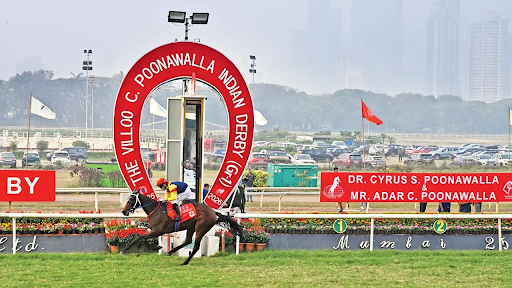
Thoroughbred horses racing at Mahalaxmi Racecourse during the ₹4 Crore Villoo C. Poonawalla Indian Derby with packed grandstands in the background.
others

Mahalaxmi Set for a ₹4 Crore: Villoo C. Poonawalla Indian Derby

Still, the most illustrious event in Indian horse racing is the Villoo C. Poonawalla Indian Derby. The event offers a ₹4 crore purse reward this year. Mumbai has thus become the focus of racing circuit interest. The Mahalaxmi Racecourse prepares for a packed February 1 fixture. Moreover, this edition promises elite competition and heightened anticipation. Every racing season builds toward this single afternoon. Owners invest years planning for this moment. Trainers structure conditioning schedules around Derby timing. Meanwhile, jockeys fine tune pace judgment for the demanding distance. Therefore, the Derby represents a preparation that meets an opportunity. Why the Indian Derby Holds Supreme Status The Villoo C. Poonawalla Indian Derby holds a Group 1 classification in India. That position mirrors the highest level of competition in local racing. The 2400 meter race indeed calls for discipline and stamina. Since just three-year-olds compete, potential meets unpredictability. Consequently, tactical execution often decides the final outcome. Unlike sprint races, this contest rewards patience. Early speed can backfire on the extended trip. Instead, jockeys conserve energy for the final stretch. In contrast, poorly timed acceleration often leads to fading late. The balance between restraint and aggression defines winners here. Mahalaxmi’s layout adds another dimension. The sweeping turns test positioning throughout the race. Similarly, track familiarity influences split second decisions. Notably, even minor misjudgments magnify over 2400 meters. ₹4 Crore Prize Purse Changes the Equation The ₹4 crore prize purse raises the race’s financial significance. In fact, it strengthens Derby’s position within Asian racing circuits. Owners now see stronger economic returns for elite breeding programs. Therefore, the best bloodlines target this fixture deliberately. A purse of this scale affects multiple layers: Breeding value increases for winners and strong finishers Trainers secure long term credibility Jockeys elevate their national ranking Stud farms gain future demand Additionally, the purse intensifies competitive preparation. Stables leave little to chance. Fitness programs become more precise. As a result, margins between contenders narrow considerably. Contenders, Conditioning, and Race Strategy The final field usually features proven performers from preparatory classics. These contenders earn entry through consistent performances. Meanwhile, leading trainers analyse sectional timings closely. Conditioning focuses on stamina building rather than pure speed. Race strategy often unfolds in three phases: Settling early without overexertion Maintaining rhythm through the middle stages Timing the final surge precisely Because the distance stretches beyond typical races. Hence, patience remains critical. However, waiting too long can close winning windows. Jockeys must read pace shifts instinctively. Consequently, experience often proves decisive. Historically, leading stables dominate through disciplined planning. Repeated participation strengthens tactical familiarity. Similarly, seasoned jockeys understand Mahalaxmi’s subtle gradients. That awareness influences when they press forward. Beyond Racing: A Social and Cultural Spectacle The Villoo C. Poonawalla Indian Derby extends beyond athletic competition. It functions as Mumbai’s major social and sporting event. The grandstands fill with racing enthusiasts and high profile attendees. At the same time, fashion and custom also blend in naturally. Typically included on race day are: Multiple supporting races Hospitality enclosures Fashion showcases Award celebrations Furthermore, the event strengthens Mahalaxmi’s historical identity. The Arabian Sea background elevates its special character. First-time fans, racing professionals, and families all have the same energy. The Derby becomes a full day event overall. Heritage and Long Run Impact Every Villoo C. Poonawalla Indian Derby contributes to Indian racing’s past. Often, victorious horses affect the next breeding cycles. Their heritage, hence, extends beyond a single day. Trainers base their careers on Derby triumphs. Here, jockeys gain permanent accolades via performance. Recent issues have shown meticulous preparation and tight results. Each year, the competitive depth increases. Consequently, the Derby’s reputation grows annually. First of all, it keeps Indian racing’s gold standard. Why Villoo? C. Poonawalla Indian Derby Issues Indian horse racing’s peak is the Villoo C. Poonawalla Indian Derby. Its ₹4 crore purse suggests aspiration and status. The 2400-meter obstacle tries patience, nerve, and stamina. Consequently, victory here defines careers and bloodlines. As February approaches, anticipation builds steadily at Mahalaxmi. Trainers finalise plans. Jockeys visualise race flow. Racing enthusiasts prepare for a defining afternoon. If you follow Indian horse racing closely, this is the race worth watching and understanding in depth.

others

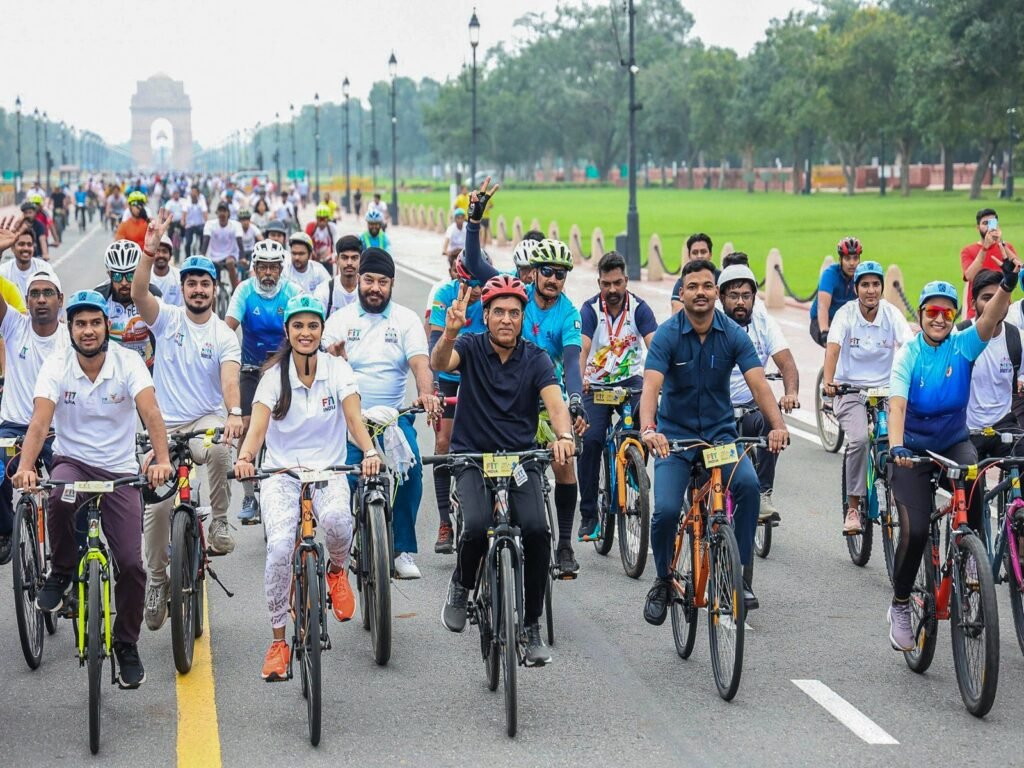
58th Fit India Sundays on Cycle 2026 Over 22 Lakh Participants Across India

Sunday morning light touched beyond twenty-two hundred thousand riders during the fifty-eighth round of Fit India’s cycling push. From village lanes to crowded city streets, people rolled forward on bikes, drawn by wellness and community spirit. At the Attari-Wagah crossing, loud with cheers, bicyclists moved in rhythm with soldiers, runners, and young athletes. Even those voting for the very first time. Bodies in motion told a story bigger than exercise: one about belonging, participation, and informed choices. Each pedal stroke helped shape a country learning to move together and become wiser. The eventful day left tracks that others will follow. Pedalling Patriotism at the Attari-Wagah Border Morning light touched the Attari stretch. Turning it into the centrepiece of Cycle 2026’s 58th Fit India Sunday. Against the edge of the international boundary. Wheels turned with a slow pulse of pride and shared purpose. Ranks of soldiers moved in step with young helpers. Riders from every kind of background blend without effort. The presence grew stronger when Shri Mansukh Mandaviya, Union Minister for Youth Affairs and Sports, arrived. Besides this, Minister of State Smt. Raksha N Khadse showed up, which made things matter more. When they joined in, it turned out to be a community mission. First up. New voters showed up in big numbers. That gave things a fresh spark. Take how workouts are mixed with voting reminders: body health meets civic habit. So instead of just moving their legs on bikes, people moved through the act of showing up, too. Picture it: rows of riders turning pedals at once, each one part sweat, part solidarity. Turns out, when motion and mission match, attention follows from cities nearby and even places far off. That year’s version stood out. Nationwide Involvement: 58th Fit India Sunday Attari-Wagah stood out, as more than 200,000 spots nationwide held bike rides at once. School kids pedalled alongside older adults. Certainly, linked by goals around health and community. The city workers and coaches, together, assisted route operations with conformity to regulations. The effort succeeded because 2.2 million riders took part. Further, demonstrated how far the idea had spread. It turned into a moment showing that big efforts can pull diverse groups together. Additionally, pushing better habits along the way. People started seeing bike rides as more than workouts; they became shared moments of joy. Still, some regions leaned into creativity, hosting story-based routes. Friendly races and outreach efforts even pulled neighbours together. What stood out was how young people signed up to vote while riding. This event linked health with real-world responsibility. In fact, attendance climbed past earlier years, showing it wasn’t just another annual thing but something deeper had taken hold. From city corners to backcountry paths, each turn of a wheel added momentum to an unmatched wave of public spirit. Fitness Community: 58th Fit India Sunday On the 58th Fit India Sunday ride in 2026, cycling became a quiet act of public spirit. Ministers spoke, but their words tied body strength to civic duty without grand claims. Take Mandaviya, he called it a “people’s wave,” shaped by ordinary effort over time. Then Raksha Khadse turned to youth, linking daily runs with showing up at polling stations. So movement of legs met movement of democracy, each feeding the other. Health wasn’t just tracked in steps. It showed up in engaged citizens pedalling through city streets. Moving forward on bikes next to troops and neighbours gave people real motivation up close. Moreover, blending voting knowledge into the workout moment built an unspoken link. Personal effort tied to country commitment. As it turned out, the youth left feeling accountable. And a bit stronger inside. Towns felt how physical energy, love for the nation, and active citizenship together could move as one rhythm. For this reason. What began as motion became something deeper. A unified heartbeat of togetherness, driven by quiet meaning. Impact and Participation Huge numbers, more than 22 lakh, took part, showing how far the 58th Fit India Sunday ride has come. Picture after picture showed crowds moving together on bikes. Certainly, a quiet proof of commitment and shared spirit. Behind the scenes, ground teams laid out the rules and routes, so riders could stay on board. Because of that balance, the day did two things at once. At Attari-Wagah, soldiers marched beside young faces. Some voted for the first time. Indeed, tied together by grit and routine effort. Across towns and villages, people joined. Likewise, pulled by purpose, turning wellness drives into something larger. When bikes rolled out for the 58th Fit India Sunday. It wasn’t only about motion; it echoed what unity can do. Responsible India: Pedalling Toward a Healthier Held across countless towns. The 58th Fit India Sundays on Cycle 2026 turned pedaling into something larger. Less about sport, more about shared purpose. While bicycles moved bodies forward, they also carried ideas. That wellness isn’t solitary but woven into community life. With more than 22 lakh people joining rides, cities pulsed in rhythm. Furthermore, showing how public energy shapes national habits. Because movement brought crowds together. So did the conversation on staying active and on being responsible. As a result, this moment sparked quiet shifts. Eventually, it became noticeable among groups who now see health and duty as linked. 

others

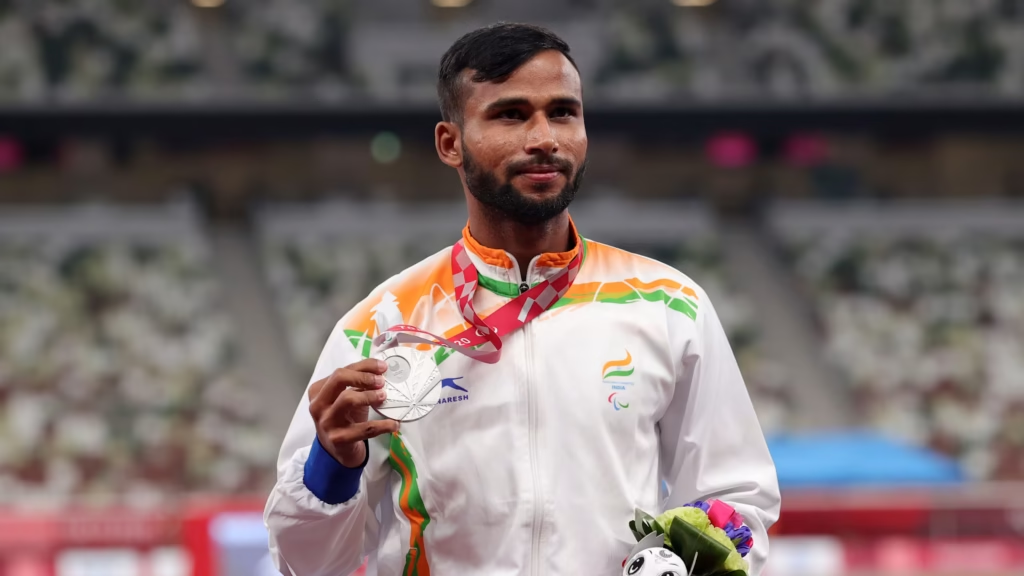
Praveen Kumar Wins Padma Shri for Para Athletics at Age 23

Praveen Kumar (23) now is awarded with the Padma Shri distinction. Also, this latest recognition follows two earlier major sports awards. A rare sequence, almost unheard of in Indian para athletics. Life threw hurdles his way, yet he jumped higher each time. He began his career on unpaved paths while remaining outside public attention. His name now travels through both stadiums and remote rural areas. Because persistence shaped what talent began. A cheer rose through Govindgarh village, Jewar, carried on shared joy. Folks came together, drawn by one boy’s moment under the national light. His achievements extend beyond the collection of awards. True, his journey maps out hope for youth chasing sport dreams. Especially those in para athletics. A Historic Hat Trick of Honours Faster than most, Praveen climbed the para athletics ladder. His talent opened doors few even see. That first global win took place after claiming silver in the men’s high jump. (2021, Tokyo Olympics). The T64 category silver medal achievement created that specific moment. Gold came his way after clearing 2.08 metres, indeed a personal peak. That leap? It placed him among the elite. Not just a win, but a statement seen round the globe. A top honour in 2021, then the highest years later, proved greatness. National pride grew around his name. He showed on the field turned into something bigger than medals. Clearing two metres in New Delhi brought a bronze at the 2025 World Championships. That mark became his best that season. Another piece now fits into his growing success.  However, his performance record shows proof of his ability to maintain excellence through precise implementation. Champion’s Approach Prize wins push him forward, yet bring heavier expectations, says Praveen. Far from an endpoint, medals feel more like sparks lighting sharper aims ahead. Eyes set on 2.1 m, an Asian benchmark, with whispers of 2.11 m tugging at the edges. Each day unfolds across seven or eight hours shaped by relentless drills. Chasing greatness keeps his mind locked on holding onto gold when Los Angeles hosts in 2028. Starting out in Govindgarh, Jewar, on dusty patches and classroom yards shaped where Praveen first played. School volleyball nets saw him go up against others without limits. Toughness showed itself young through those matches. Then came 2016; a gathering for runners and jumpers changed everything at once. High jump stood out that day. His path shifted completely after one leap. Come 2018, training under Satyapral Singh shifted everything. After that, relocating to Delhi by 2023 pushed him forward. True, the village tugs at him now and then. In time, loyalty like his turns quiet roots into global reach. Guiding Light: Young Para Athletes Out of all things, Praveen stepped into mentoring like it was meant to be. Young para athletes from different corners of India now walk paths he helped clear. Instead, they find their way into training, backed by aid straight from government plans. Because of him, something bigger started moving through communities. Confidence grew, yes. But so did smart choices, serious effort, and even quiet belief in long term goals. He speaks softly. Should his story move even one person to begin, then effort finds meaning. With the Padma Shri comes an influence that stretches past finish lines. Now others see paths where there was only pavement before. His win feels like their own victory to people in Jewar. A sense of shared pride spreads through the village streets. Not just one man’s climb, but everyone’s lift. A mentor steps in, showing younger para athletes how routines build strength. Further, pathways open when guidance is steady. Training takes shape under watchful support, doors creaking wider through trusted advice. The Importance of the Padma Shri Giving Praveen Kumar the Padma Shri means something deeper than just one person’s success. His skill stands out, yet it also points to how para sports are finally being seen more clearly across India. Young athletes who face physical challenges might see this moment and feel a quiet shift. Likewise, doors once shut are now creaking open. Recognition like this doesn’t shout, but it echoes. Still, there’s more to it; it shows how sports sometimes shift culture. Honouring Praveen means seeing past pain, spotting where things began to bend. Continuing the Journey Still celebrating, yet Praveen keeps his eyes ahead. Not chasing trophies alone, he aims further than individual glory. Driven by something deeper, goals turn into milestones. With each achievement, hope grows quietly among young para athletes looking up to him. Starts with a small town, ends up getting seen by a nation. Skill matters, yes, but so does steady effort, plus help from those around you. From Jewar he came, and now he holds a Padma Shri. Jumping high? That part is obvious. What counts more is setting a new standard that others follow. Far from an ending, the Padma Shri marks just the beginning of more to come. Across fields and tracks, young athletes find quiet strength in his journey.

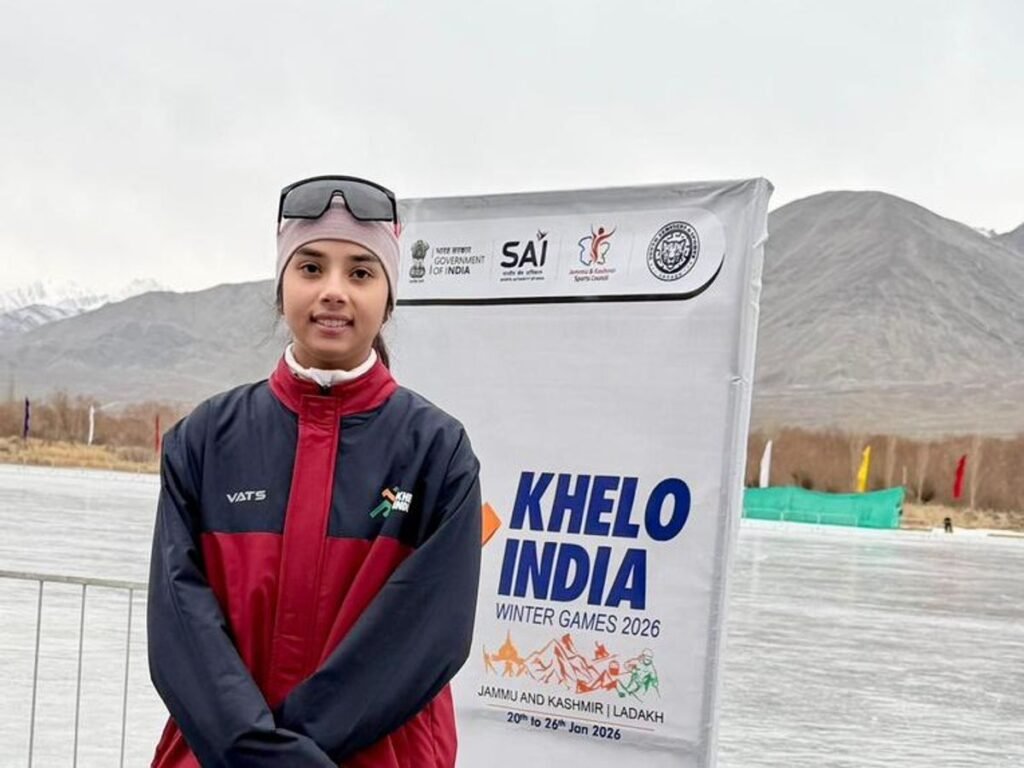
Udreka Singh competing in the women’s 500m speed skating event at the Khelo India Winter Games 2026 in Leh-Ladakh.
others

Teenage Star Ice Skater Udreka Singh: Khelo India Winter Games 2026

Udreka Singh claimed the top spot among young women racing across ice at the Khelo India Winter Games 2026. Her name lit up headlines when she blazed past records, setting a pace never seen before from any female skater that age. In the cold silence of Leh-Ladakh’s icy track, one teenager shifted everything with a single run. Speed carried her forward, focus held every stride, as time folded behind her finish. Frost bites at the air above Gupukh’s Pond, just beside the Indus River, where thin skies bring brutal cold. Though the wind cut sharply across the ice, Udreka Singh stayed steady from start to finish. Her blades sliced through the course, women’s 500m, and stopped the clock at 53.94, a mark never seen before. Her time performance secured her victory in the competition. It also earned her national recognition as India’s fastest female ice skater. Udreka Singh Odyssey: A Gold Medal Earned  Udreka Singh entered the race with limited experience on long-track equipment. She competed using long-track boots and blades for the first time in competition. Even so, her transitions stayed smooth and confident across every lap. Each stride reflected hours of discipline rather than nervous energy. The result surprised many watching trackside. Local skaters from Ladakh traditionally dominate winter events due to climate familiarity. However, Udreka outpaced seasoned competitors with a consistent rhythm. She finished ahead of Skarma Tsultim and Tasnia Shameem, both strong contenders. The margin spoke volumes about her preparation and adaptability. This victory did not rely on chance or conditions. Her timing showed efficiency rather than brute force. She held her line cleanly and avoided unnecessary movement. As a result, speed stayed steady across the entire distance. The performance hinted at long-term potential, not just a single triumph. Progress: Built through Patience and Persistence A fresh start shaped Udrika Singh long before she reached Leh-Ladakh. Three times by 2026, she stood on the snow-packed fields of the Khelo India Winter Games. Each season added layers to her understanding of competitive skating. This gold medal became the natural outcome of that progression. Hailing from the Satna district in Madhya Pradesh, Udreka represents a non-traditional winter sports region. Because of this, her success carries added significance. It shows how talent can rise beyond geographic expectations. Access to structured platforms allowed her skills to surface nationally. Her growth also reflects adaptability. She moved between different skating styles with complete ease. A Milestone Moment: Women Winter Sports India Udreka Singh, the fastest female ice skater, resonates beyond one medal. It signals a shift in how winter sports develop across India. Lately, national platforms have expanded access and visibility. Athletes now receive exposure regardless of regional climate advantages. Victory sparked joy across Madhya Pradesh. Her achievement, noted by state authorities, stood for persistence more than luck. This achievement also strengthens the case for sustained investment. Ice skating requires both specialised facilities and professional instructors, together with time and dedication from athletes. When support aligns, talent responds with results. Udreka’s performance validates long-term development models. Women Athletes: Shaping a Broader Sporting Future Udreka Singh’s gold adds momentum to women’s participation in emerging sports. Across disciplines, young athletes now step into spaces once considered limited. Her calm presence and focused execution set a strong example. Success stories like hers reshape perceptions naturally. When achievements gain attention, pathways feel more tangible to aspiring athletes. Udreka’s journey will likely encourage participation across schools and academies. Her age further strengthens that impact. Her win also highlights discipline behind the scenes. Moreover, her technique for achieving results from her efforts to create short-term results demonstrates her dedication to her work. The sustainable growth of competitive sports requires this particular mindset to function effectively. Beyond Medals: Why this Victory Matters  Every national milestone carries layers of meaning. In this case, the impact stretches across regions and age groups. Udreka Singh showed that preparation bridges experience gaps effectively. She proved adaptability matters as much as familiarity. Her performance also reinforces the role of national competitions. Events like the Khelo India Winter Games create visibility and structure. Through these platforms, athletes gain exposure and belief. Momentum builds when opportunity meets readiness. For Indian winter sports, this win adds credibility. Gradually, performances like this shape international ambition. Development begins with consistency, not overnight leaps. Udreka’s journey aligns perfectly with that philosophy. In conclusion, This accomplishment extends beyond individual success. It strengthens India’s winter sports narrative and inspires future athletes nationwide. Those following emerging sporting journeys will find her path worth watching closely.

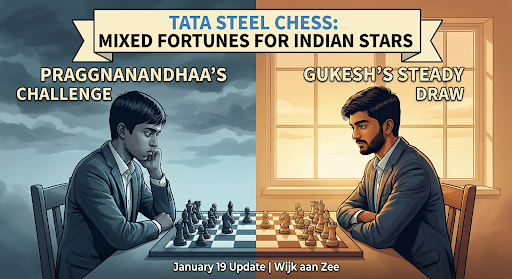
Illustration of two Indian chess players competing at the Tata Steel Chess Tournament.
Chess

Indian Stars Face Mixed Fortunes at Tata Steel Chess Tournament

Praggnanandhaa, as well as Gukesh, top-tier young chess pros, garnered major coverage on January 19th. Consequently, the Tata Steel Chess event was ruthless with the nation’s most revered grandmasters. The Wijk aan Zee event took a toll on the players in every respect. All of them were tested in patience, form, and emotional control. Indian fans followed each move, hoping for momentum and reassurance. However, results revealed the brutal honesty of elite-level chess. Praggnanandhaa Loss Analysis: Tata Steel Chess Tournament The news regarding the Indian teenager’s defeat at Tata Steel Chess was again disheartening. Although expectations remain high, the Masters section allows no breathing room. Each opponent arrives armed with deep preparation and fearless intent. Praggnanandhaa pushed hard but lost control during critical middle game moments. Consequently, pressure mounted as small inaccuracies quickly snowballed. The Tata Steel Chess Tournament demands constant precision across long sessions. Because one loose calculation often decides everything, recovery becomes difficult. Praggnanandhaa showed fight but lacked his usual tactical sharpness. Fans noticed hesitation where confidence once flowed freely. Still, setbacks form part of every champion’s education. Young grandmasters grow through resistance, not comfort. Nonetheless, that being said, Pragg has recently bounced back from losses on a bigger stage. For him, defeat faced here does not mean that it is the end of the world. Moreover, it does not even necessarily mean that he will perhaps fail to prove his brilliance further ahead in the future. Presently, he is progressing through a phase that calls for patience and control. Eventually, lessons from defeat strengthen long term growth. Gukesh Tata Steel Draw Shows Championship Maturity Gukesh Tata Steel draw headlines offered stability amid a turbulent round. Meanwhile, the world champion faced Jorden van Foreest with calm authority. Playing black against a former tournament winner demands discipline and restraint. Gukesh accepted the draw after neutralising aggressive plans. Therefore, the result reflected strategic maturity rather than missed ambition. Elite chess values survival as much as attack. Because tournaments span weeks, energy management matters deeply. Gukesh avoided unnecessary risks while maintaining structural balance. Van Foreest pressed but found no clear breakthrough. The draw also helped Gukesh maintain his strength for the more difficult rounds that are still to come. Champions know exactly when to strike and when to give in. Likewise, Gukesh demonstrated control over tempo and emotion. Such games rarely dominate highlight reels but shape final standings. Fans recognised the quiet strength behind the result. Still, expectations remain high for sharper outcomes ahead. Tata Steel Chess Reflects Global Rise Indian chess January 19 results reveal both struggle and strength at the highest level. Moreover, multiple Indians competing in the Masters section signal global respect. Ten years ago, such representation felt unimaginable. Now, the nation supplies contenders rather than participants. Consequently, pressure rises alongside visibility. Tata Steel Chess acts as a measuring stick before world championships. Because every opponent mirrors future title challengers, preparation matters. Wins build belief while losses expose gaps needing repair. Indian players treat each round as structured learning. Instead of panic, focus stays on the process. The current generation blends youth with deep preparation. Setbacks, though painful, can hardly shake the long-term plans. Support systems around Indian chess continue improving steadily. Coaches, analysts, and seconds sharpen competitive edges daily. Therefore, progress remains visible beyond daily results. Why These Results Matter Beyond One Tournament Praggnanandhaa Tata Steel Chess outcomes influence rankings, confidence, and narrative. Meanwhile, Gukesh Tata Steel draw reinforces championship consistency. Together, these moments shape perception heading into future events. Fans often judge form quickly, sometimes unfairly. However, elite careers unfold across seasons, not single rounds. Chess careers mirror long distance races. Because stamina outweighs sprints, composure decides outcomes. Indian players understand this reality better than ever. Exposure to relentless competition builds mental armour. Eventually, this experience converts into titles. January 19 offered no fairy tale sweep. Instead, it delivered realism and resilience. Indian chess continues climbing despite temporary slips. Each game sharpens instincts and deepens maturity. Moreover, the journey remains firmly on track. Praggnanandhaa Tata Steel Chess challenges, and Gukesh draw together capture Indian chess today. Therefore, fans should read results with patience rather than panic. Setbacks teach precision while steady draws protect momentum. Indian stars continue learning against the world’s toughest opposition. If you follow Indian sports closely, keep tracking these battles as they quietly shape future champions.

West Ham United players Tomas Soucek, Maxwel Cornet, and Jarrod Bowen celebrating a goal in their white away kit with Boyle Sports sponsor.
Football

Late Magassa goal earns West Ham a point at Man Utd

Late Magassa made his debut in the Premier League with a goal that helped West Ham complete a draw with Manchester United Thursday, 1-1 at Old Trafford. After Diogo Dalot scored in the 59th minute of the game on his first attempt to score in the Premier League at Old Trafford, it seemed like Ruben Amorim’s team would secure a victory. While Manchester United created many scoring opportunities throughout the match, with Joshua Zirkzee having an effort saved off the line along with Bruno Fernandes hitting the woodwork, it was Magassa’s late goal from a set piece that kept West Ham from returning home empty-handed. While Manchester United was able to leapfrog Liverpool and take over the eighth spot in the league standings, they were not able to take advantage of this opportunity to jump up to fifth place. West Ham remains in 18th place, now only two points back of Leeds United. How the match unfolded By Late Magassa West Ham got off to a great start, but after pressing for some time early they were only rewarded with a mishit shot from El Hadji Malick Diouf, who was unmarked on a corner kick. Bryan Mbeumo had an attempt from distance that was tipped over the bar by Alphonse Areola, and Zirkzee’s instinctive finish was saved off the goal line by Aaron Wan-Bissaka. When Fernandes took the rebound, his vole missed the left post and went wide. Lower down the pitch, Jarrod Bowen had one counter-attacking threat when he beat a number of players on the right, but his weak attempt was blocked by Luke Shaw and landed in the arms of Senne Lammens. After 58 minutes Dead ATTACKING PRESENCE BECOMES AN ATTACKING PRESENCE  United broke the deadlock when Casemiro had no chance to hit a goal. It deflected to Dalot, who took a touch before slotting the ball into the bottom left corner. However, United could not add to their lead, and they paid for missing out when an unmarked Magassa slotted from inside the six-yard box after Noussair Mazraoui had cleared a flick-on from a corner off the line. United stumble again at Old Trafford The match against 10-man Everton at Old Trafford left a disappointed home support for the second consecutive week, as Manchester United squandered another opportunity to gain ground in the Premier League. After beating Crystal Palace, Manchester United’s starting efforts against West Ham were less than stellar; however, strong defensive performances from their back four gave them an early edge in this match, as West Ham squandered many opportunities to capitalize on their early set pieces within the penalty box. Manchester United began firing up early in the first half with Zirkzee flicking the ball for a near miss, but it was former Red Devil Wan-Bissaka that saved the day by denying a near certain goal with an impressive defensive play that cleared the ball from harm’s way just prior to the half-hour mark. Despite continuing to mount their total of shot attempts against West Ham’s goalkeeper Areola, Manchester United again did not have many shots on target with only Dalot converting the critical opportunity in this match with a finely taken goal; United would again continue to grow their shots on goal total, but they would remain unable to find the mark. Manchester United’s attempts at goal continued with Fernandes and Matheus Cunha returning from injury week-to-week and both of them crossing into the opposition’s attacking zone with great frequency. This continued to put more and more Manchester United players at risk of being carded for their aggressiveness toward the opposition; however, in the end, West Ham did defy the odds against Manchester United and score from a corner. Late in stoppage time, Fernandes retrieved a loose back pass from the home team and attempted to volley it home but unfortunately fired the ball just wide of the intended mark. Although United have only lost one of their last eight matches, they will be hoping to get back to winning ways against bottom side Wolverhampton Wanderers a week on Monday. West Ham show fighting spirit Recent meetings between the two clubs have generally favoured West Ham, who started the stronger side and continued to push United back into their own half without actually creating a clear chance. The first chance of the game fell to Bowen, who shot straight at the legs of Barnsley defender, while Jean-Clair Todibo also saw his attempt blocked. However, despite being given plenty of opportunities to attack, Wilson was unable to find any real space in which to create. After half-time, West Ham’s captain, Bowen, continued to provide the creative spark as West Ham searched for their first goal. Also, the West Ham players found themselves two-on-one against the United defenders, and it was only thanks to a great through ball from Bowen to Magassa, who was not able to hit the target with his long range shot, that the visitors were left stunned.The visitors grew into the game after going behind. They gained the confidence to push forward again, and although they struggled to break down United initially, they managed to give themselves space to attack out wide through Bowen. Nuno Espirito Santo’s team could not produce the same type of attacking product that players such as Summerville and Lucas Paqueta can provide. However, with Bowen as their main playmaker, they showed they were still capable of finding the equaliser. West Ham’s only win on the road this season came against Nuno when he was at Nottingham Forest, and while his wait for a first away win goes on, he can take positives from this result when they travel to Brighton & Hove Albion at the weekend. Club reports Man Utd report | West Ham report Quotes from the managers Ruben Amorim – “We lost a bit of control of this game in both halves. After our first goal we should have been able to control the game better, but we could not maintain that

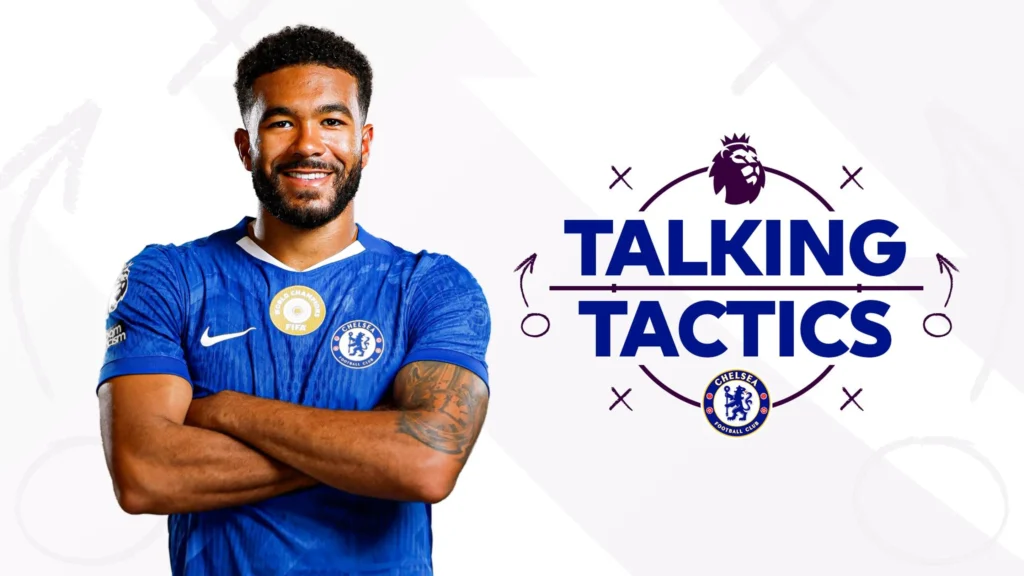
Chelsea are reaping the rewards of Reece James’ versatility as he shines in multiple roles. Here’s how his flexibility is boosting the team.
Football

Chelsea benefiting greatly from James’ versatility

Reece James’ superb performances against Barcelona and Arsenal last week served up a reminder of the England international’s tremendous value to Chelsea. Playing with a quiet air of authority and clear of injuries for the first time in years, the versatile Blues star is going to be a key man for his side when they look to get back to winning ways at AFC Bournemouth on Saturday. Enzo Maresca deserves great credit for James’ outstanding form in 2025/26. Ever since he came in at the start of last season, Chelsea’s head coach has refused to take any unnecessary risks over James’ fitness, and it is now over a year since the captain picked up his last significant injury. The club’s medical staff has also worked hard on changing his body shape, moving away from muscle mass, with a focus on making him more supple. Consequently, his availability this season has been more regular than the previous five years. A series of ankle, knee, and hamstring issues forced James to miss an incredible 743 days of action since 2019/20, during which he was unavailable for 145 matches. James was last injured on 19 November 2024, picking up a hamstring problem that kept him out until after Christmas. It is now over a year since he last suffered a setback. Chelsea are now benefitting greatly from his quality, nous, and leadership, having managed his fitness and load carefully. Chelsea’s central figure Chelsea already boasts arguably two of the best young central midfielders in Moises Caicedo and Enzo Fernandez, but Maresca clearly regards James as of equal importance. The 25-year-old usually starts at right-back, his natural position, but from that role he inverts to help provide Maresca’s side with added control down the spine of the pitch. When James goes inside, it frees up the more attack-minded Enzo to push on higher up the pitch. Seven of James’ nine Premier League starts in 2025/26 have been at right-back, but as shown on the heat map below from those games combined, he tucks infield a great deal. He is still able to get forward to supply width and crosses, with the bulk of his touches closer to the middle of the pitch. Maresca also likes to use James as an orthodox central midfielder. The Italian started him there in London derbies against Tottenham Hotspur and Arsenal, as well as in tough UEFA Champions League assignments against Bayern Munich and Barcelona. He also featured in that role against Paris Saint-Germain in the FIFA Club World Cup Final. “He can play in both positions,” Maresca said after the 1-1 draw with Arsenal. “He has been a fullback his whole life. He has also played as a midfielder. He can be good in both positions. “When we decide [to play] him as a midfielder, we want physicality in the middle. It depends on the game plan, but he is doing very well in both positions.” As shown below, James does more work in the infield inside the opposition half when he starts in a central midfield position. More than just a duel winner Maresca is right to point out the value of James adding physicality. He produced an immense display against Arsenal, winning 11 of his 13 duels and five of his six aerial duels in a performance brimming with strength and determination. James also ran the second-furthest distance of anyone on his team, covering 10.55km. His cultured right foot is just as valuable to the Blues as his industry, though, and no other Chelsea player makes more passes into the final third or finds teammates with a higher frequency of accurate long passes than James. The quality of James from set-piece situations will certainly help Chelsea against Bournemouth. The Cherries have not defended corners or wide free kicks well, conceding nine times this way, the second-worst tally in the division. A certain starter on Saturday—but where will James play? James was an unused substitute in the midweek 3-1 defeat to Leeds United, but he is certain to start on the south coast against Bournemouth. With Caicedo serving the last match of his suspension and Romeo Lavia injured, it is likely the England star, who turns 26 on Monday, will partner Fernandez in midfield, coming in for Andrey Santos. Andoni Iraola’s side are physical, so James is ideally suited to providing the steel that has been missing in Caicedo’s absence. If Maresca feels that his defensive excellence is better served at right-back, do not be surprised if James starts there either. Bournemouth’s Antoine Semenyo will need to be contained down the Cherries’ left wing, so that could be an alternative assignment for James. The Chelsea captain is very much an all-rounder and is able to flit seamlessly between roles as this radar chart below confirms. James is fitter than he has been in years and is showing signs of great maturity this season. He is enjoying a wonderful campaign. The Chelsea academy graduate’s immense talent, mental toughness, and big-game intellect will be vital for his club this weekend and for the remainder of 2025/26.  

Football

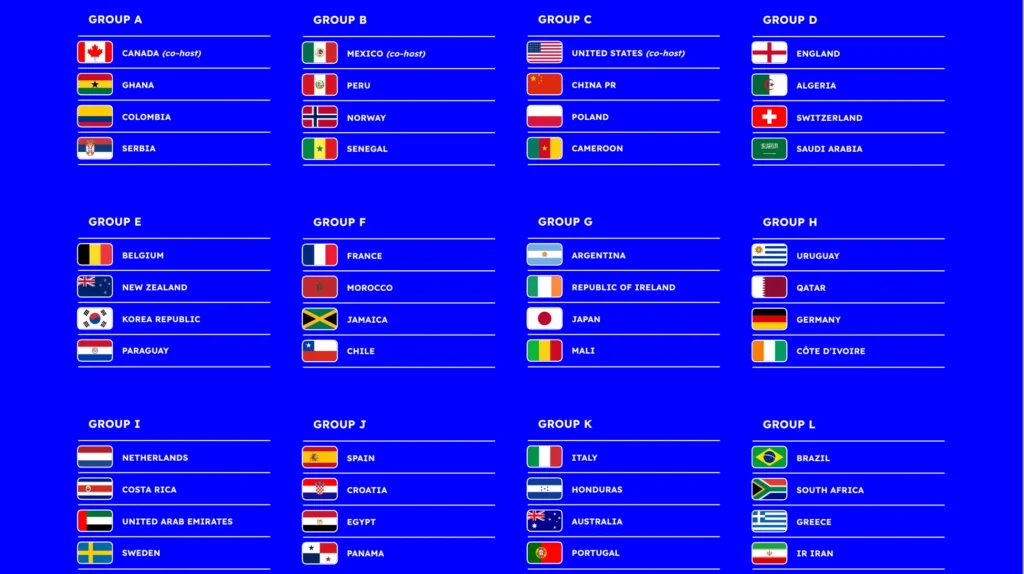
FIFA World Cup 2026 Draw: Early Talking Points Explained

On March 3, 2022, the draw for the 2026 FIFA World Cup, which will be held in Mexico, Canada, and the United States, occurred in Washington, DC. The groups that each country is in for this tournament are known and will include many Premier League players competing for their respective countries next summer. The 2026 FIFA World Cup will be the largest World Cup ever hosted. There will be 48 participating nations divided into 12 groups of four, with the top two from each group moving on to the knockout phase of the tournament, as well as eight of the best-ranked third-place teams from each group. As of today there have been 42 of the 48 qualification spots confirmed (with four spots remaining in Europe via the UEFA Playoffs plus an additional two via the Inter-Confederation Playoff Tournament), and thus we can see how the 2026 World Cup will take place. Group A: Mexico, South Africa, South Korea, European Playoff Winner D Group A will feature Mexico, South Africa, South Korea, and the winner of the European Playoff D. The tournament kicks off in Mexico City on Saturday, June 11, with Mexico vs. South Africa as the first match, followed by South Korea vs. the winner of the European playoff D. Premier League players who could be involved in Group A include Fulham’s Mexican striker Raul Jimenez and Burnley’s South African forward Lyle Foster. South Korea’s great Son Heung-min is no longer plying his trade in the English top flight, but international teammate Hwang Hee-chan has 23 Premier League goals to his name for Wolverhampton Wanderers. Group B: Canada, European Playoff Winner A, Qatar, Switzerland This World Cup will mark Canada’s first time playing in Qatar, which was their host in 2022; they will face a challenge against one of four potential opponents at their next match: Wales, Bosnia & Herzegovina, Italy, or Northern Ireland. Switzerland and Qatar complete Group B. Daniel Jebbison from AFC Bournemouth has represented Canada at the Premier League level this season, while Granit Xhaka, the captain of Sunderland and the Switzerland national team, is hoping to play for his nation in his fourth FIFA World Cup. Group C: Brazil, Morocco, Haiti, Scotland Group C will see Brazil, Morocco, Haiti, and Scotland competing for supremacy. For the first time since 1998, Scotland will head back to the World Cup, having not played since 1994; they will face one of two former opponents in Brazil or Morocco first, as they will meet Haiti in their opening match. As always, there are many Brazilian players positioned at Premier League clubs including Arsenal and Chelsea, both of whom have three Brazilian players on their squads. Manchester United’s Casemiro is the captain of Brazil, who has won the World Cup a record five times, and he will face one of his club teammates, Noussair Mazraoui from Morocco. Additionally, many Scottish players compete at the Premier League level, with notable players including captain Andy Robertson (Liverpool) and John McGinn (Aston Villa). Recently, Wolves player Jean-Ricner Bellegarde has accomplished the feat of becoming the first Haitian player to participate in the Premier League competition. Group: D: United States, Paraguay, Australia, European Playoff Winner C Germany will commence their World Cup journey versus Paraguay in Los Angeles. This will mark the first World Cup encounter between both sides since 1930 (the tournament’s very first). Amongst the prominent American players currently playing in the English Premier League are Chris Richards (Crystal Palace) and Tyler Adams (Bournemouth). In comparison, Paraguay has Diego Leon (Man Utd) and Diego Gomez (Brighton & Hove Albion) as their key players. The four-time World Champion Germany have been paired with the other group members, debutant Curacao, along with the pair, Ivory Coast and Ecuador. Germany’s Malick Thiaw and Nick Woltemade from Newcastle United hope to represent their country in their very first World Cup. Florian Wirtz from Liverpool is also hoping to represent Germany in this tournament, as he did not play in 2022 due to injury. Kai Havertz from Arsenal represented Germany in the previous tournament and has the potential to face club colleague, Ecuador’s Piero Hincapie. Amad from Manchester United is a regular starter for the Ivory Coast, Ukraine, Poland, Sweden, or Albania. The Premier League has its fair share of Dutch players right now, four of whom play for Liverpool: captain Virgil van Dijk, Jeremie Frimpong, Ryan Gravenberch, and Cody Gakpo. They could find themselves on the opposing side to fellow Reds player Wataru Endo, who wears the armband for Japan.  

Scroll to Top